careers
contact

Electromechanical Assembly. Built, Wired, Tested, Delivered
Most contract manufacturers stop at machining. Kiski Precision keeps going. We machine the parts, source the components, assemble the system, run the wiring, test the finished unit, and ship you a complete assembly ready to plug in and run.
We can find lots of places to machine parts for us. We can’t find very many places that can machine the parts, buy other components, assemble them together, test them, and deliver a complete machine.
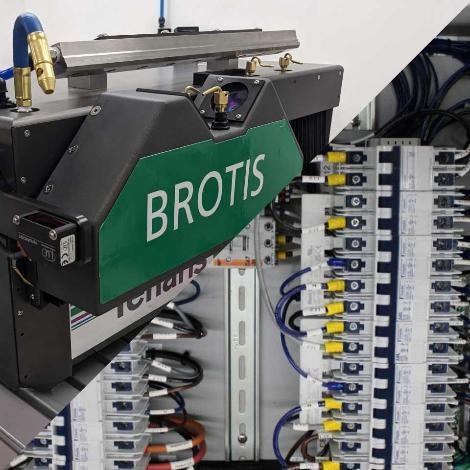
What Turnkey Manufacturing Means at Kiski
Turnkey means you give us a design, and we hand you back a working machine. Nothing in between is your problem.
That sounds simple. In practice it’s the hardest thing to find in contract manufacturing. Most shops do one thing, they machine, or they fabricate, or they assemble, and they hand the work off to the next vendor in the chain. Every handoff is a chance for something to get lost in translation. Lead times stretch. Costs add up. Quality drifts.
Kiski does the whole job under one roof. Sixty-eight people, four buildings, 85,000 square feet of climate-controlled space, all on one campus in Western PA. When your project moves from machining to welding to assembly to wiring to test, it doesn’t leave the building. It walks across the floor.
That’s why our customers stay. And it’s why the customers who come to us looking for a single machined part often end up giving us the full system the next time around.
What’s Included in a Kiski Turnkey Build
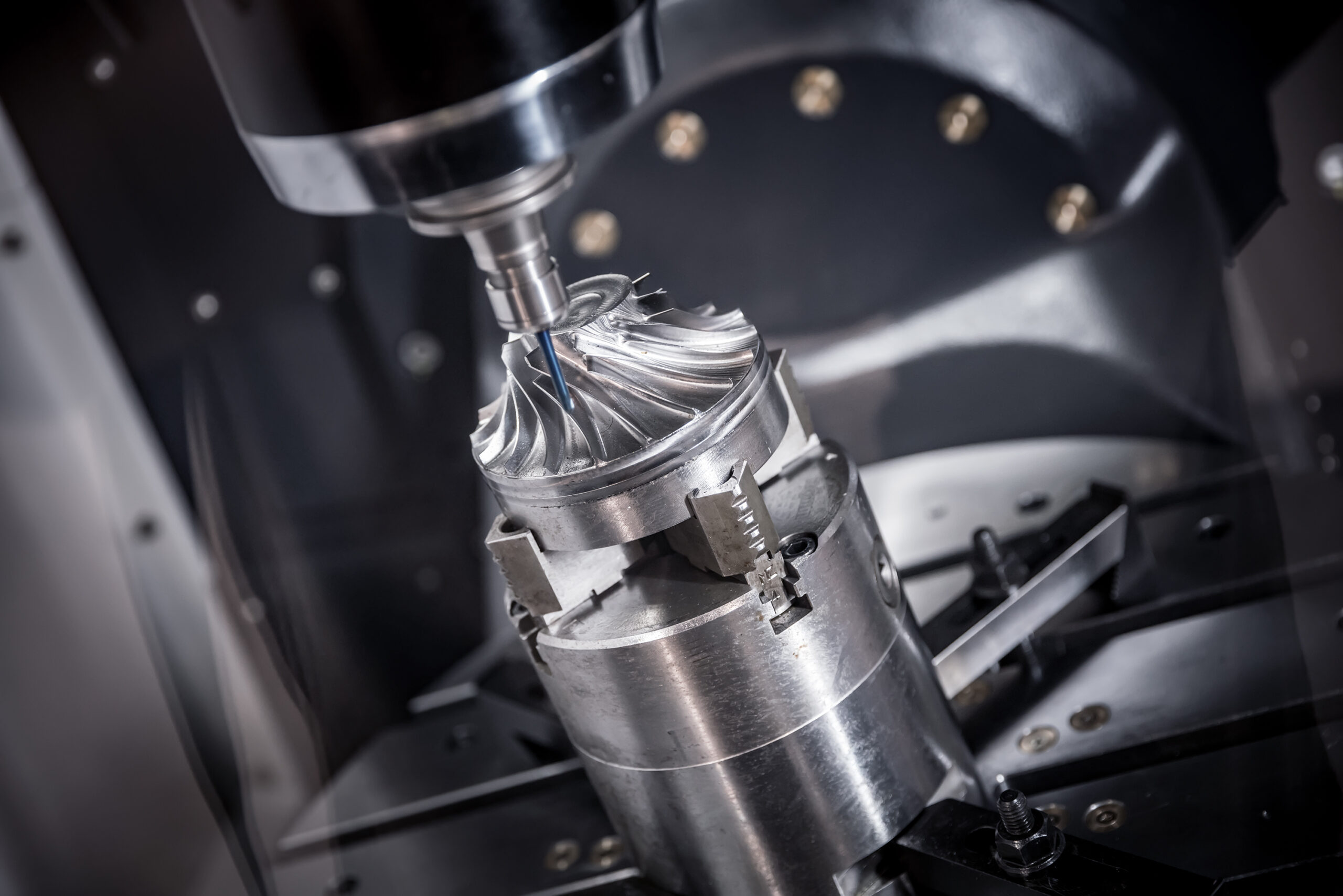
Step 1 Machining
We machine the core components in-house. CNC mills, lathes, 5-axis capability. Carbon steel, stainless, aluminum, titanium, inconel, plastics. The tolerances your design requires, held on every run.
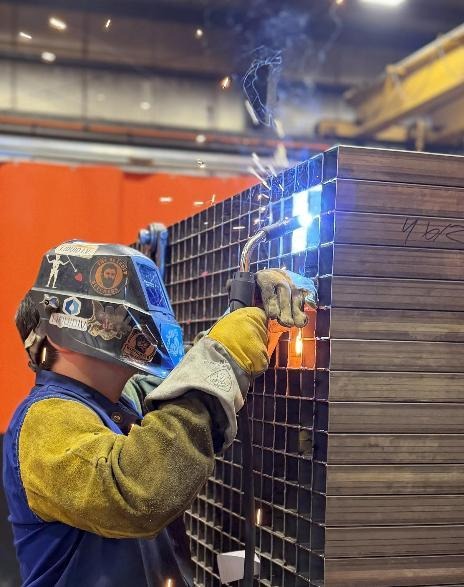
Step 2 Welding & Fabrication
If your assembly needs a welded frame, machine base, or enclosure, our welders build it. TIG, MIG, and stick across steel, stainless, aluminum, and cast. No subcontracting. No waiting on someone else’s schedule.
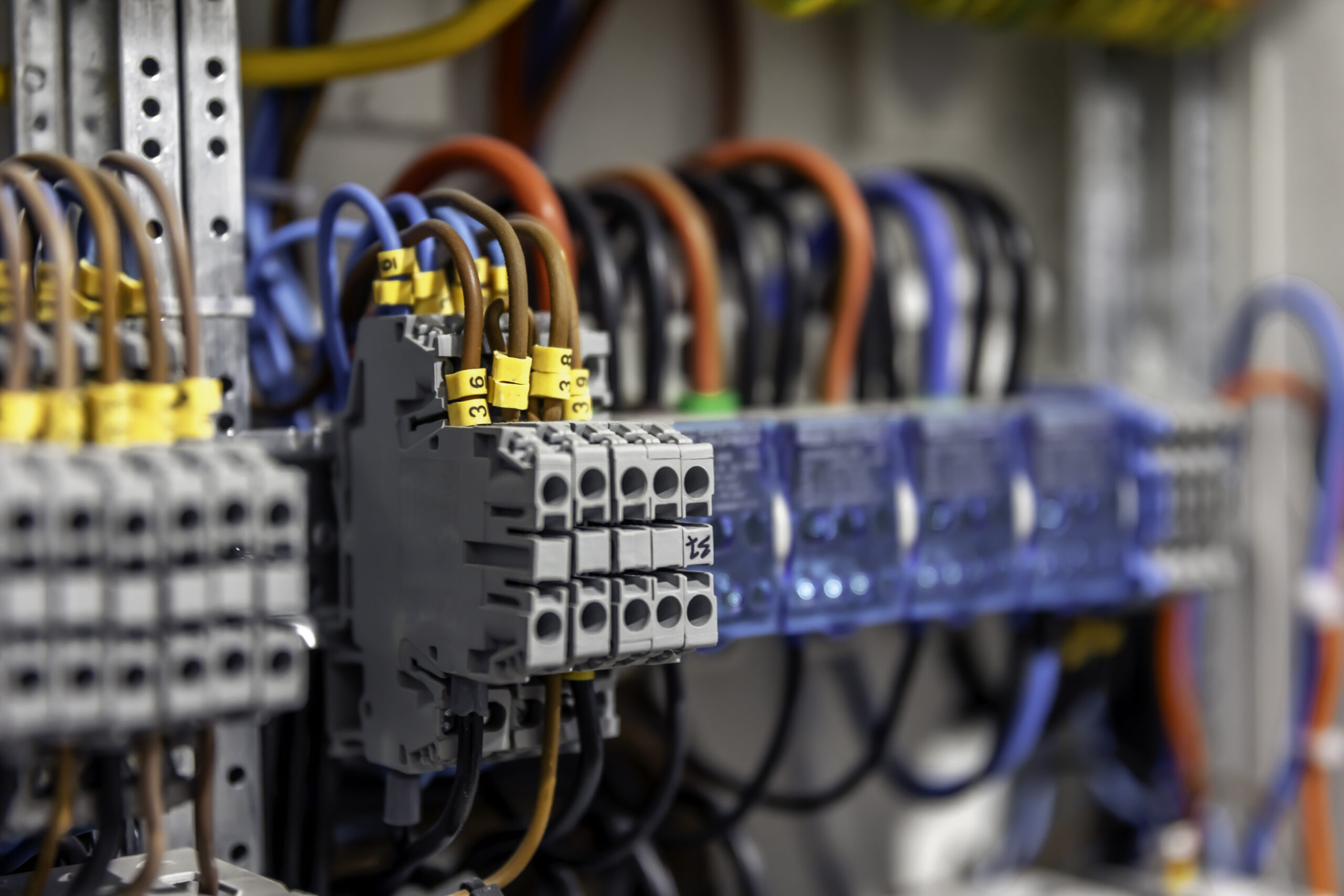
Step 3 Component Sourcing
Not everything in your system gets made by us. Motors, drives, sensors, fasteners, electrical components, we source them. From your approved vendor list when you have one. From qualified suppliers when you don’t. We handle the procurement, the receiving, and the inventory so you don’t have to ship parts to us piece by piece.
Step 4 Mechanical Assembly
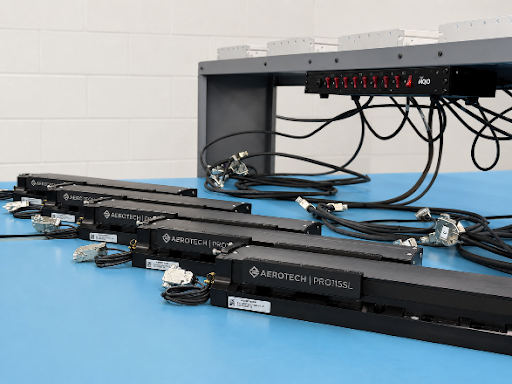
Our dedicated, climate-controlled assembly area is set up for exactly this work. Assembly benches, storage shelves, custom fixtures, the right tooling for the job. Climate control matters more than people realize, it protects tight-tolerance components from thermal drift and keeps electronics safe from humidity during build.
Step 5 Wiring & Electrical Integration
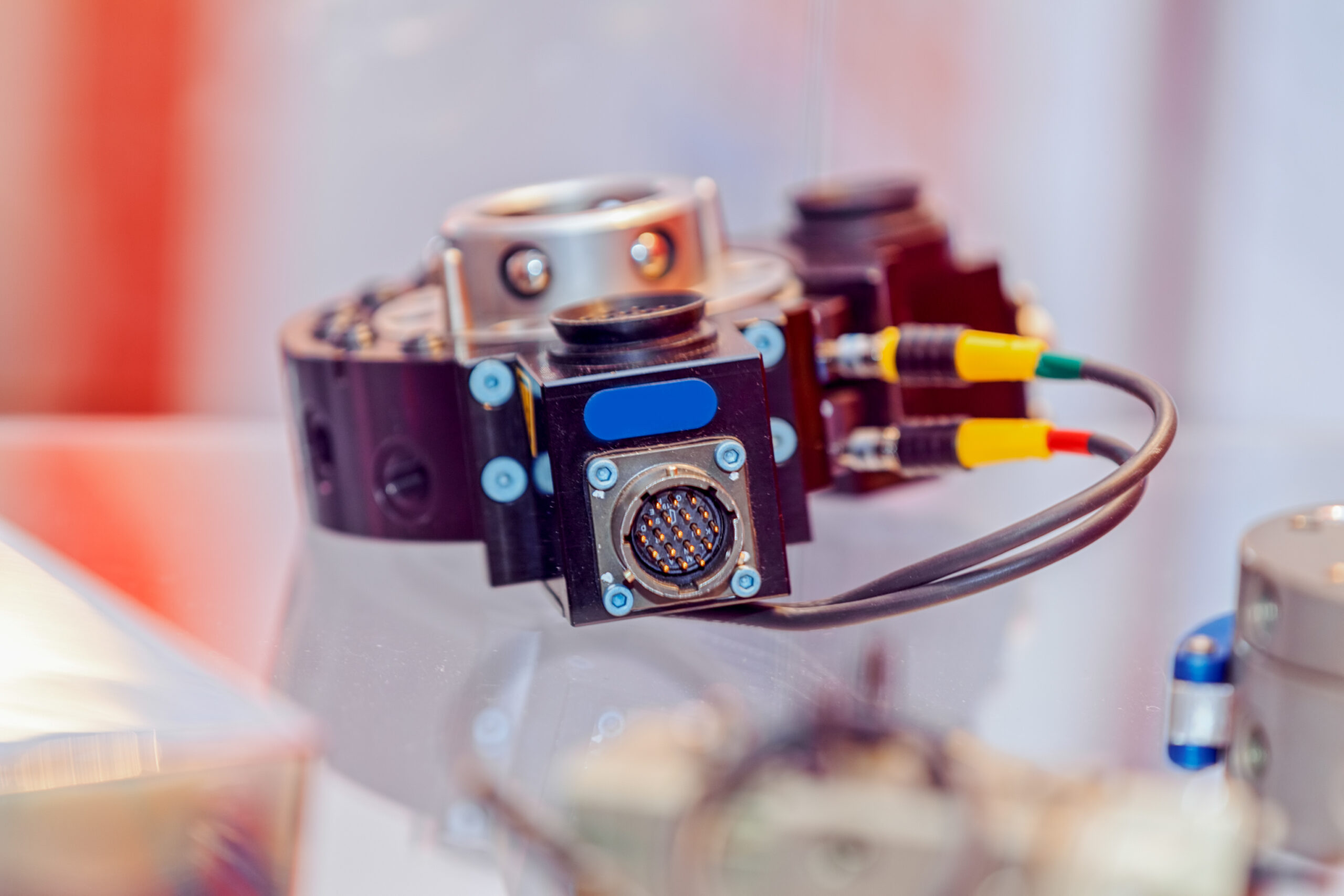
Our wiring team builds cable harnesses, panel wiring, and full electrical integrations. We can work from a finished electrical drawing, or we can build from a design when no formal drawing exists yet. That second capability is unusual for a contract manufacturer, and it’s saved more than one customer from a multi-week engineering delay.
Step 6 Testing
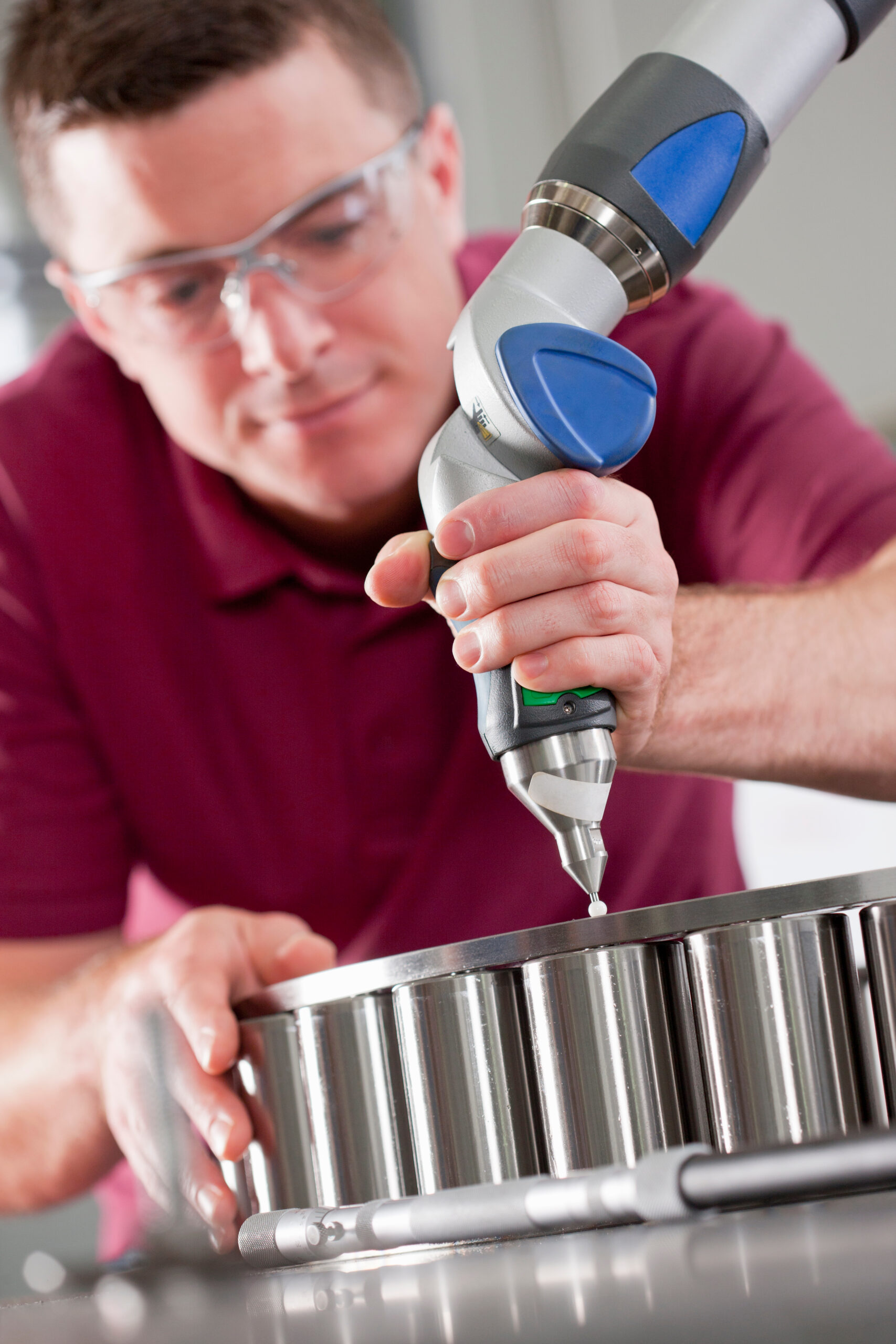
Before anything ships, we test it. CMM dimensional inspection for the machined components. Functional testing for the assembled system. Customer-specified protocols when your application requires complex metrology, motion testing, electrical validation, performance verification. You don’t pay a separate vendor for testing. It happens before the unit leaves our facility.
When it does leave, it’s packaged correctly and shipped to you ready to install.
Who Turnkey Manufacturing Is Built For
Not every project needs the full turnkey treatment. Some customers send us a print and want machined parts in a box. We do that work every day and we’re glad to do it.
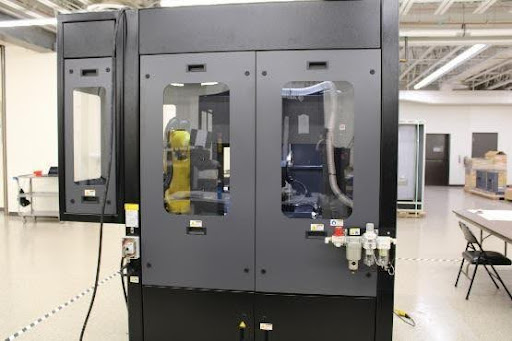
Turnkey is for customers who are tired of managing five vendors to get one machine built. It’s for engineering teams who’d rather spend their time on the next product than on chasing down assembly subcontractors. It’s for procurement managers who’ve calculated the real cost of vendor coordination and decided one PO is better than seven.
Typical turnkey customers fall into three groups:
- Original equipment manufacturers who design and sell complete machines and need a production partner who can build the whole thing
- Engineering firms developing new equipment that has moved past prototype and needs a manufacturer who can take it from drawing to delivered product
- Companies expanding into new product lines who need assembly capacity they don’t have in-house and aren’t ready to build
If any of that sounds like you, the rest of this page is worth reading.
Turnkey Builds We’ve Delivered
Oil and gas inspection
We build inspection heads for them as repeat production work. The relationship has run long enough that the build process is dialed in, same team, same fixtures, same quality output every time. Repeat business at this volume only happens when a customer trusts you to deliver consistently.
PPG Mixing Stands, Prototype Through Production
PPG came to us with an idea. Their engineer, George Galo, has said it best: he comes up with an idea, and we work together to make it happen. We took their mixing stands from prototype through production. That kind of collaboration only works when the manufacturer can engage with the design, ask the right questions, and adjust on the fly. It’s the partnership side of our business and we’re proud of it.
Cable Assemblies
Our largest single order to date was a cable assembly project built to military specification. Delivered on schedule. The kind of work that doesn’t happen unless you have the team, the facility, and the documentation discipline to handle it.
Kurt J. Lesker Multi-Project Partnership
Kurt J. Lesker is another long-running relationship that spans multiple projects. Different programs, different scopes, same standard of work. When a customer keeps giving you new projects, you’re doing something right.
Other Active
Turnkey Work
Customers in mechatronics, electromechanical integration, semiconductor research, and military contracting round out the portfolio of customers who require more than just parts. Each one needs machined parts and sourced components and is assembled, wired, tested, and shipped as a finished product.
What Our Customers Say
Mike Winwood
Emerson
Kiski’s ability to work as a one-stop shop is invaluable. I’d recommend them to anyone looking for a manufacturing partner.
George Galo
PPG
I come up with an idea, and we work together to make it happen.
Why Kiski’s Turnkey Model Works
One Building, One Team
Everything happens on one campus. No shipping parts between vendors. No waiting on a fabricator three states away. No coordinating schedules across four different shops. When your project needs to move from machining to assembly, it moves across the aisle.
Climate-Controlled Assembly
Our assembly area is climate controlled because precision components don’t tolerate temperature swings, and electronics don’t tolerate humidity. That’s not a marketing feature. It’s a requirement for the work we do.
Custom Fixtures Built In-House
When a job needs a specific fixture to hold an assembly square, or to support a difficult wiring routing, we design and build that fixture ourselves. We don’t wait on a tooling vendor. The fixture exists when the assembly hits the floor.
Cross-Trained Team
Sixty-eight employees, low turnover. Our machinists understand assembly. Our assembly technicians understand wiring. Our wiring team understands testing. When questions come up mid-build, and they always do, the answer is on the floor, not in someone else’s office.
Testing Before Shipping
Every system is tested before it leaves. If it doesn’t pass, it doesn’t ship. That’s the simplest version of our quality commitment, and the most honest one.
FAQs
What is electromechanical assembly, and why does it matter?
It means we don’t just machine your parts and ship them in a box. We source the other components you need, assemble everything together, run the wiring, test the completed unit, and deliver a finished system. One of our customers put it best: they can find plenty of places to machine parts, but very few that can machine them, buy the other components, assemble everything, test it, and deliver a complete machine. That’s what we do.
Do you do design and engineering work?
What kind of testing do you do?
Have a system you need built? Let’s talk.
Send us your drawings, your bill of materials, or just a description of what you’re trying to build. We’ll tell you what we can do, what it will cost, and how long it will take. Straight answers. No runaround.
